16 Forgotten Leafy and Stalk Vegetables Worth Rediscovering
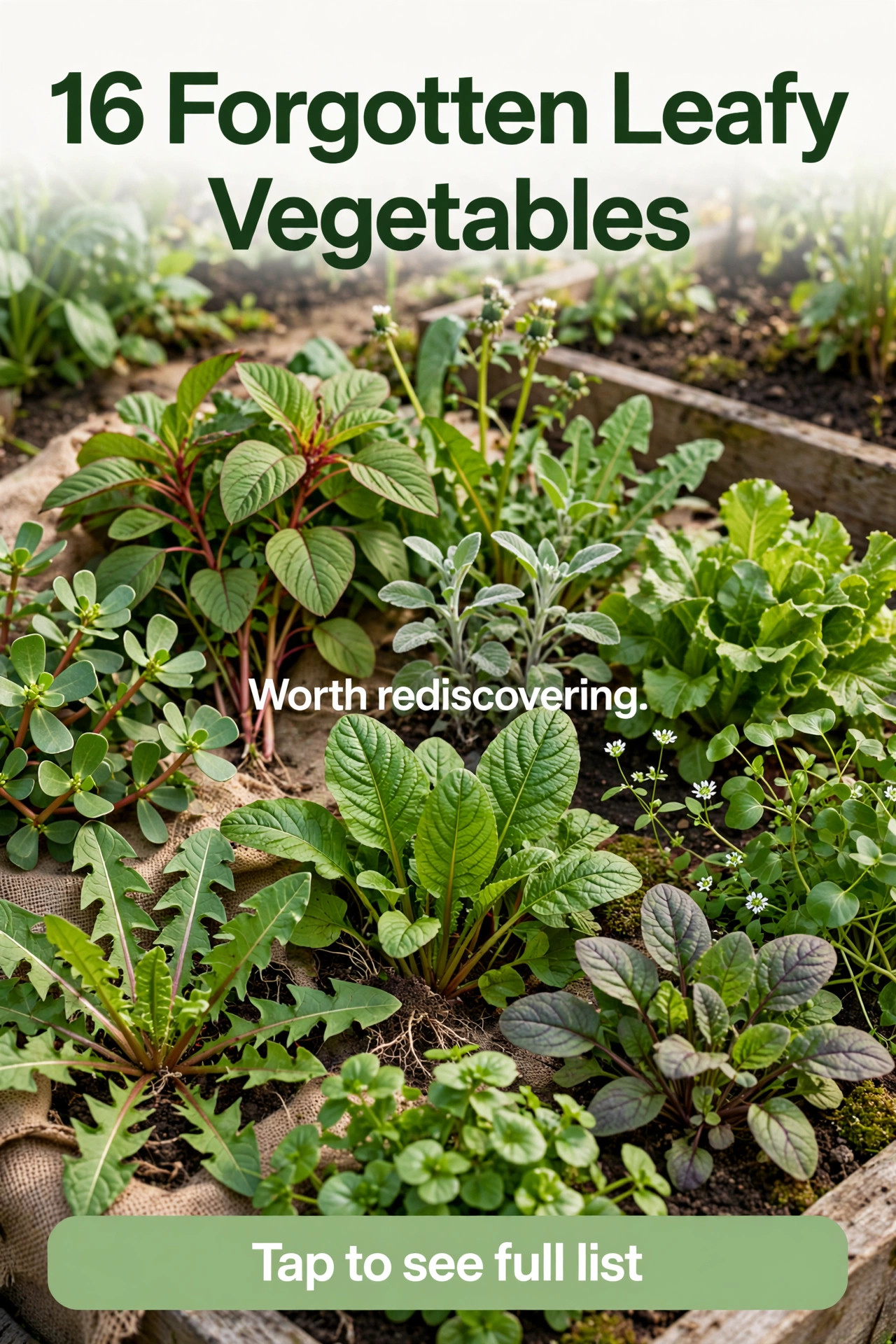
Leafy and stalk vegetables are easy to overlook, yet many old varieties were once everyday garden food. They offer fresh flavours in spring, steady picking through summer and useful leaves and stems when other crops are finished. This guide introduces sixteen leafy and stalk vegetables worth a second look, with practical notes on growing and cooking them.
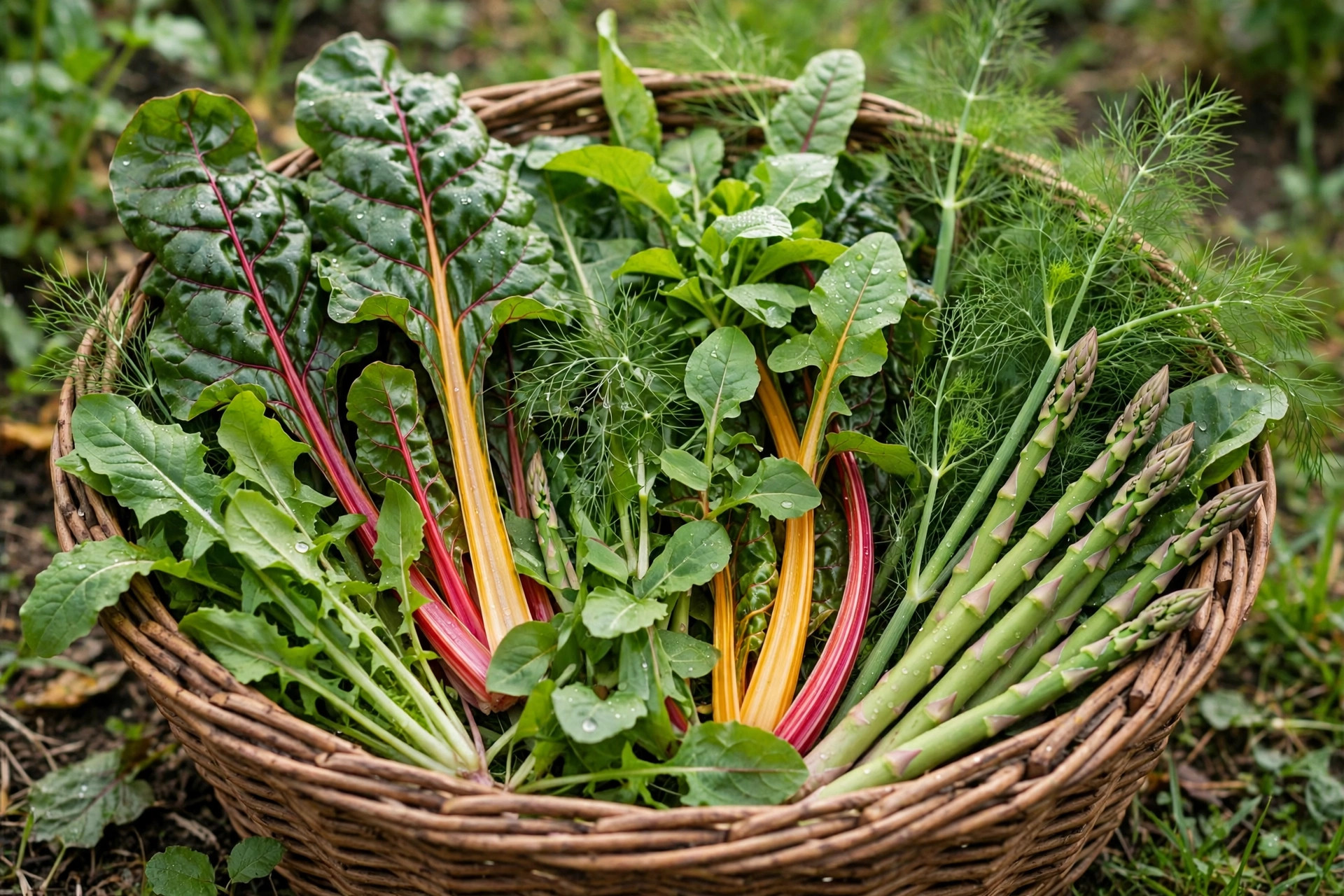
- Swiss Chard: Swiss chard gives bright stems and tender leaves for months, and it tolerates both heat and light frost. Use the leaves like spinach and the stems like celery, in pasta, soups, gratins and simple sautes.
- Good King Henry: Good King Henry is a perennial leafy plant whose young shoots and leaves taste mildly like spinach. Once established, it returns each year with little work, making it a useful low-effort green for a permanent garden bed.
- Orach: Orach, sometimes called mountain spinach, grows tall with leaves in green, red or purple. Pick young leaves for salads, cook older leaves like spinach, and let a few plants seed themselves for next season.
- Sorrel: Sorrel has a clean, lemony tang that lifts soups, sauces and egg dishes. It grows early in spring, needs little care, and is best picked young, when the leaves are tender and the flavour is fresh rather than sharp.
- Lovage: Lovage is a tall perennial with celery-like leaves and stems. Use a small amount in stocks, potato dishes and salads, because its flavour is strong, and cut it back in summer to encourage fresh growth.
- Cardoon: Cardoon looks like a large artichoke plant, but its pale, blanched stems are the prize. Boil or braise the stems until tender, then finish them with cheese sauce, breadcrumbs or a simple lemon dressing.
- Cutting Celery: Cutting celery, or leaf celery, is grown for its leaves rather than thick stalks. Snip leaves as needed for soups, salads and garnish, and it will keep producing through the season without the work of blanching.
- Perpetual Spinach: Perpetual spinach is a type of chard that behaves like spinach in the kitchen. It is hardy, productive and less likely to bolt than true spinach, so it is a good choice for steady, small harvests.
- Sea Kale: Sea kale is a coastal perennial with tender blanched shoots in spring and useful leaves later. Give it space and good drainage, harvest shoots young, and treat older leaves like cabbage or kale.
- Asparagus: Asparagus is a long-lived stalk vegetable that rewards patience. Plant crowns in a permanent bed, wait a season or two before heavy picking, and enjoy fresh spears steamed, roasted or folded into spring dishes.
- Rhubarb: Rhubarb is a sturdy perennial whose tart stems are used for desserts, chutneys and savoury sauces. Use only the stems, never the leaves, and pair the stems with sweet fruit, ginger or a little orange zest.
- Fennel: Fennel gives a feathery leaf and a crisp bulb with a gentle anise flavour. Use the bulb raw in salads, roast it until sweet, and save the fronds for garnish, dressings and fish-free vegetable dishes.
- Heirloom Mustard Greens: Heirloom mustard greens range from mild to peppery, with frilled or flat leaves. Pick young leaves for salads, cook larger leaves with garlic and oil, and sow little and often for a steady supply.
- Dandelion Greens: Dandelion greens are bitter in a useful way, especially when picked young from unsprayed ground. Blanch them to soften the bite, then dress them with olive oil, lemon and garlic, or wilt them into beans and grains.
- Lamb’s Lettuce: Lamb’s lettuce, also called corn salad, forms soft rosettes that are perfect for cold weather. Sow it in autumn for winter salads, pick whole rosettes, and dress it lightly so its nutty flavour comes through.
- Endive: Endive has slightly bitter, crisp leaves that hold dressing well. Use it in winter salads with citrus, walnuts or cheese, or braise the heads gently until tender for a warmer side dish.
Practical Tips
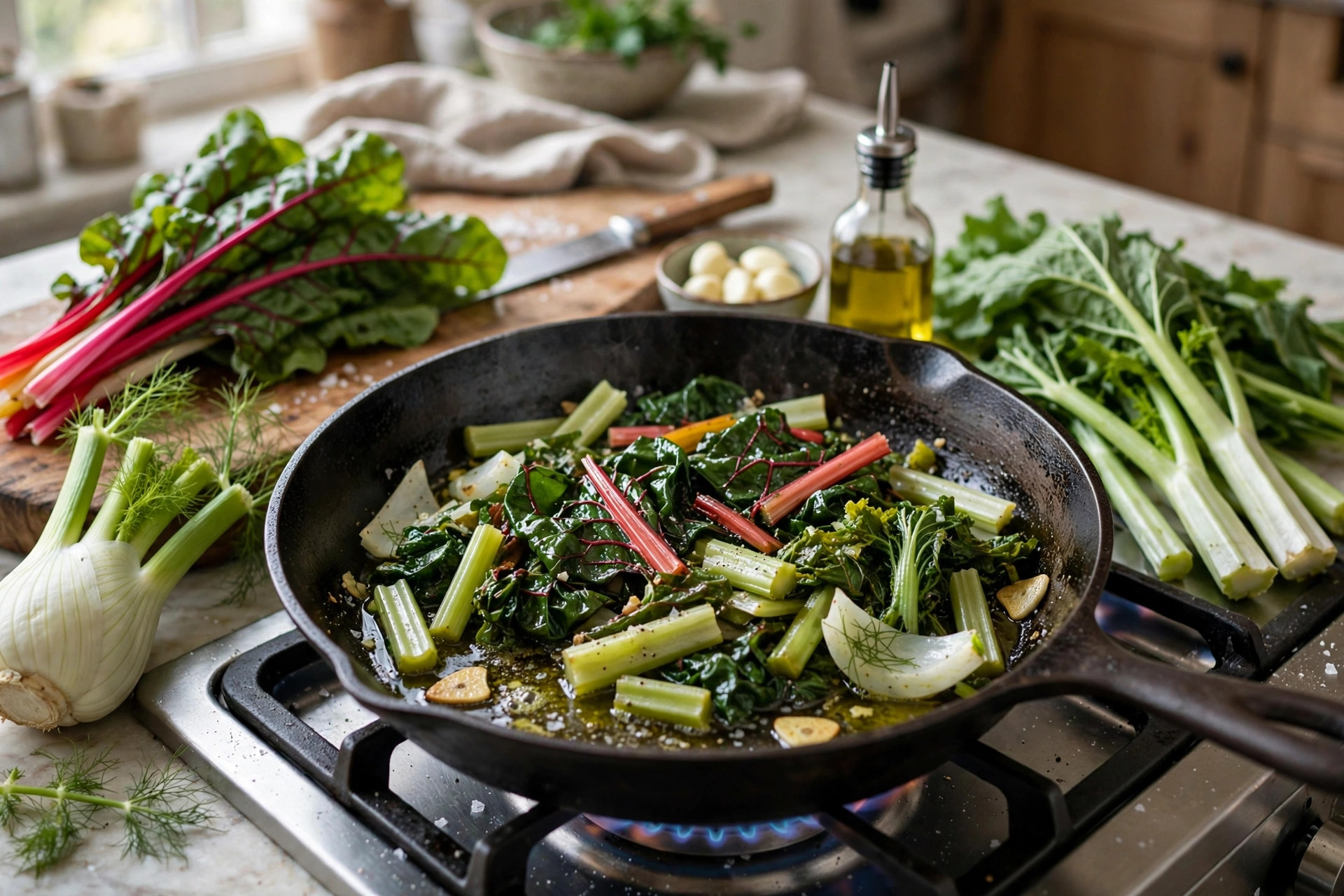
Pick leaves in the morning when they are crisp, and use them the same day for the best flavour. Cut, do not pull, perennial leaves and stalks, so the plant can regrow. Blanch bitter greens briefly if you want a milder taste, and keep the cooking water for soup stock. Sow leafy crops in small batches every few weeks to avoid a glut followed by nothing. Keep unsprayed wild greens separate from garden greens, and only pick plants you can identify with confidence.
Conclusion
Forgotten leafy and stalk vegetables add freshness and variety without demanding a large garden. Start with a few perennials and a few fast annuals, learn which flavours your household likes, and let these old greens earn a regular place in your cooking.
FAQs
Which forgotten leafy vegetables are easiest for beginners? Swiss chard, perpetual spinach, orach and lamb’s lettuce are forgiving and productive. They grow in ordinary soil, need regular water, and give repeated pickings with little special care.
Are perennial leafy vegetables worth the space? Yes, if you have a permanent bed. Plants like Good King Henry, lovage, sea kale and rhubarb return each year, reduce yearly sowing, and give early harvests when annual crops are still small.
How do I tame bitter flavours in old greens? Pick young leaves, blanch briefly, and pair bitter greens with fat, acid and salt, such as olive oil, lemon and a pinch of salt, or cook them with beans, garlic and cheese.