15 Heirloom Root Vegetables for Winter Cooking and Gardening
Winter cooking does not have to mean the same few supermarket roots on repeat. Heirloom root vegetables bring deeper flavour, different colours and a useful lesson in old garden wisdom: many of them store well, sweeten after a frost and turn simple soups, roasts and mashes into something special. This guide looks at fifteen roots worth trying, how to grow or buy them, and how to use them in everyday vegetarian meals.
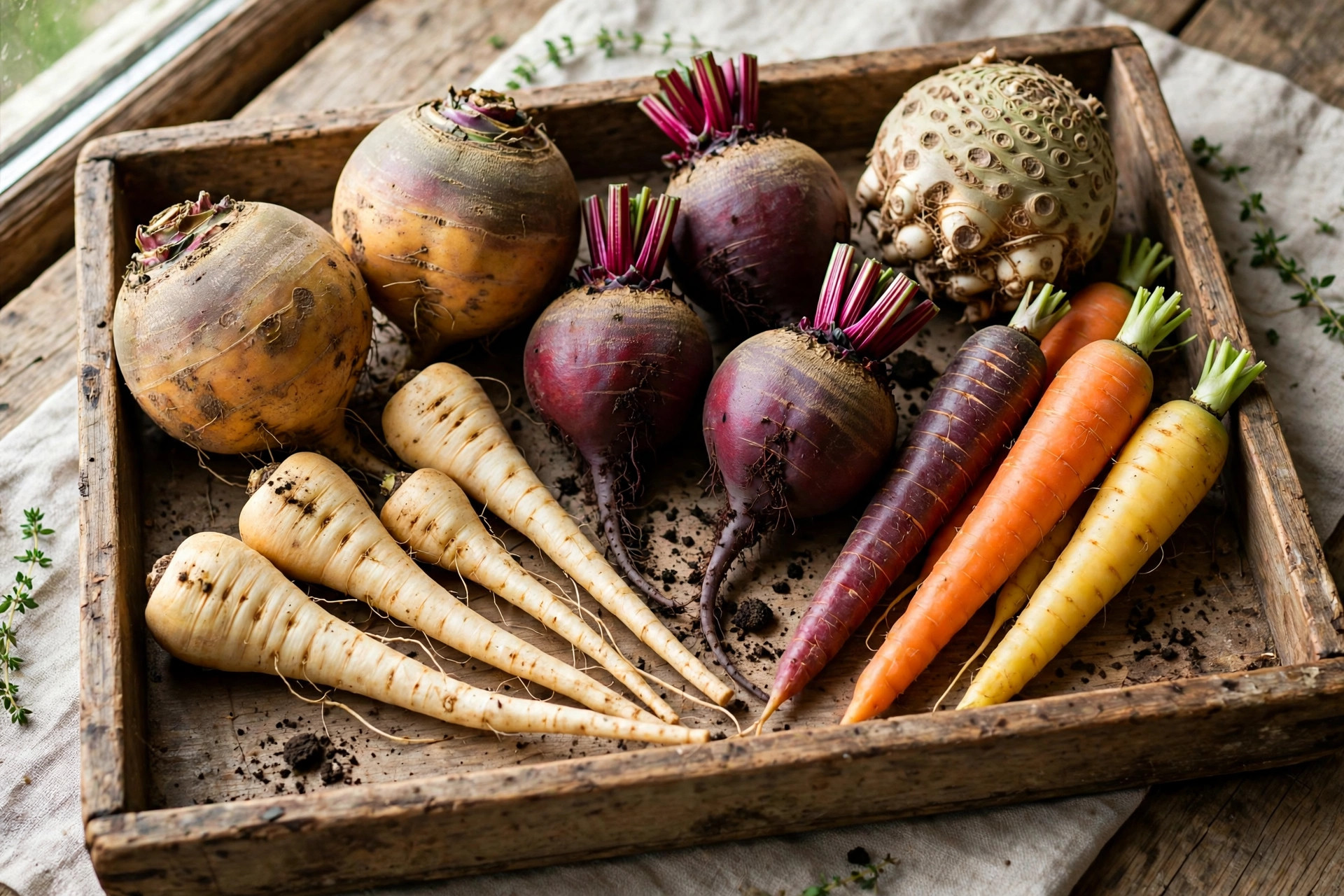
- Rutabaga: Rutabaga is a firm, golden-fleshed root with a mild, slightly sweet taste that sits between turnip and cabbage. It roasts beautifully, mashes well with butter and black pepper, and holds up in stews without falling apart.
- Mangelwurzel: Mangelwurzel is a large, old fodder beet relative that was once grown for both kitchen and farm use. Its flesh is mild and earthy, and it works best grated into root bakes, soups or pickles where its size is an advantage rather than a problem.
- Salsify: Salsify is a long, pale root often called the oyster plant because its cooked flavour is gently savoury and delicate. Peel it under water to avoid staining, then simmer, roast or fold it into a creamy sauce with herbs.
- Scorzonera: Scorzonera, also called black salsify, has dark skin and pale flesh with a soft, nutty taste. It is slow to grow but rewarding, and it is excellent boiled, buttered and finished with lemon, parsley and a little nutmeg.
- Celeriac: Celeriac, or celery root, is knobbly on the outside and creamy inside, with a clean celery flavour. Mash it with potatoes, grate it raw into a remoulade, or roast it in thick slices for a satisfying main-course vegetable.
- Parsnip: Parsnip sweetens after cold weather and is one of the most reliable winter roots. Roast it with olive oil and honey-free glaze, add it to root soup, or shave it thin for crisps that keep their flavour.
- Turnip: Turnip is lighter and peppery when young, and deeper and sweeter when left to grow larger. Use small turnips raw in salads, and larger ones in mash, curry-style stews or roasted with carrots and thyme.
- Burdock Root: Burdock root is long, slim and earthy, and it is prized in many vegetable stir-fries and broths. Scrub it well rather than peeling away too much, cut it on the diagonal, and cook it until tender but still firm.
- Black Winter Radish: Black winter radish has rough dark skin and crisp white flesh with a clear, peppery bite. Grate it into slaw, slice it thin for sandwiches, or roast it to soften the heat and bring out a mellow sweetness.
- Daikon Radish: Daikon is a large, mild white radish that stays crisp in salads and soaks up flavour in soups. It is useful for winter pickles, quick kimchi-style sides and light broths where you want freshness without sharpness.
- Horseradish: Horseradish is a strong, pungent root best used in small amounts. Grate a little fresh root into cream, yoghurt or beetroot salads for heat, and keep the plant contained in the garden because it spreads eagerly.
- Hamburg Parsley Root: Hamburg parsley root looks like a pale parsnip but tastes like parsley, which makes it a clever soup vegetable. Add it to stock, mash or root gratin for a herbal depth that plain roots cannot give on their own.
- Heirloom Beetroot: Heirloom beetroots come in deep red, golden and striped types, each with its own sweetness and colour. Roast them whole in foil, slice them for salads, or pickle them to keep winter meals bright and varied.
- Heirloom Carrots: Heirloom carrots in purple, white, yellow and red are not just pretty. They offer slightly different sweetness levels, stay crisp when roasted, and make a colourful base for soups, glazes and simple side dishes.
- Kohlrabi: Kohlrabi is a swollen stem that cooks like a root, with a mild taste between cabbage and turnip. Peel it, cut it into wedges, roast it with oil and salt, or grate it raw into a crunchy winter slaw.
Practical Tips
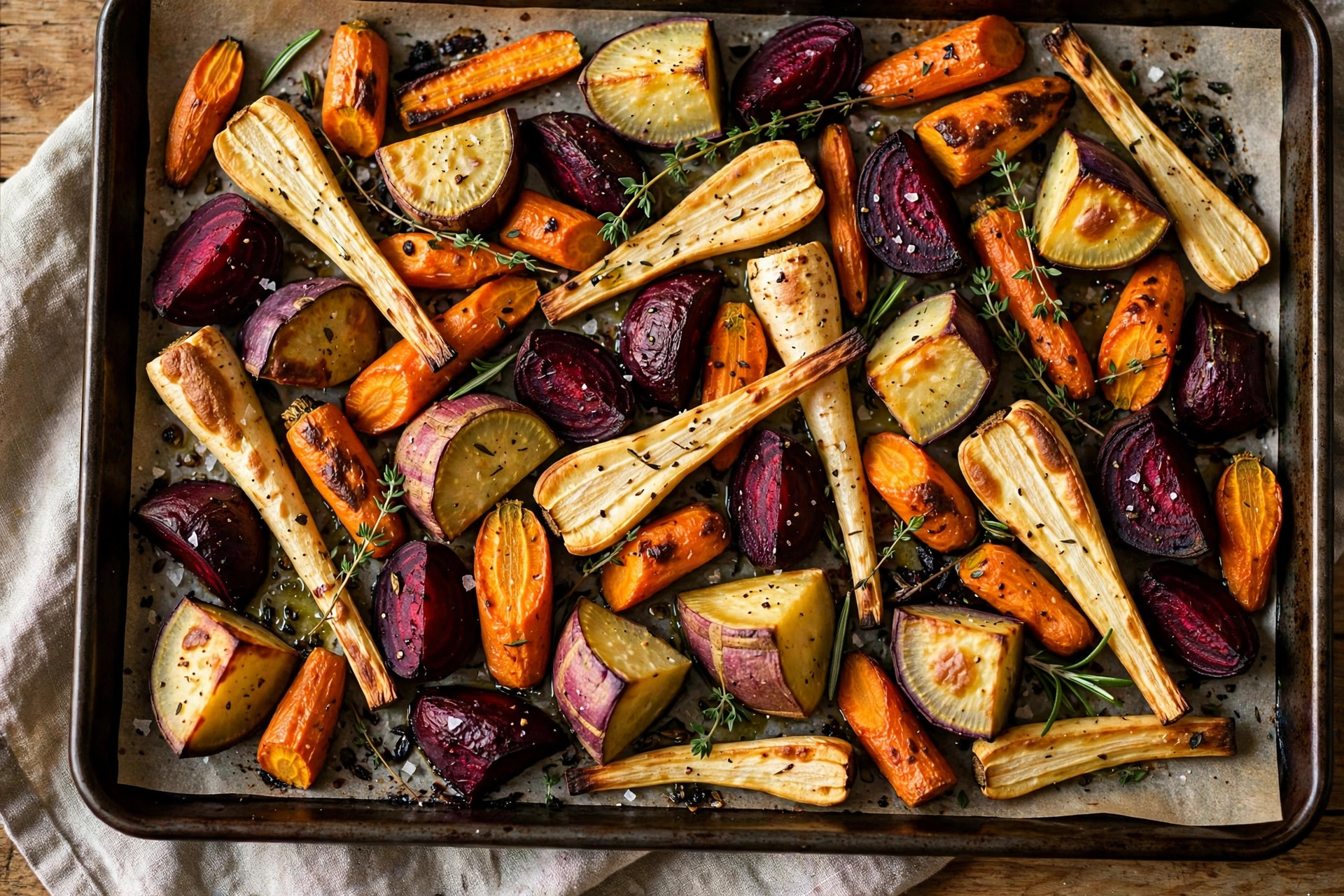
Store most roots in a cool, dark place in sand, sawdust or a paper bag, and check them weekly for soft spots. Do not wash roots until you use them, because damp storage shortens their life. Sweeten flavour by roasting at a high heat with a little oil and salt, rather than boiling everything soft. Save peelings and trimmings for stock, but compost any roots that have gone soft or mouldy. In the garden, sow roots in loose, stone-free soil and thin seedlings early so roots can swell evenly.
Conclusion
Heirloom roots reward a slower, more seasonal way of cooking. Start with one or two new roots, learn how each one likes to be cooked, and build a small winter rotation you actually enjoy. Over time, these old varieties can make cold-weather meals more varied, more colourful and more satisfying.
FAQs
Are heirloom root vegetables harder to grow than modern ones? Not usually. Many heirlooms need the same basics as modern roots: loose soil, steady watering and room to grow. Some are slower, so check days to maturity on the packet and sow a little earlier.
Which heirloom roots store best through winter? Rutabaga, turnip, black radish, celeriac, parsnip and beetroot generally store well in cool conditions. Salsify and scorzonera are best used soon after lifting, or left in the ground and harvested as needed in mild weather.
Can I use heirloom roots in everyday vegetarian meals? Yes. Most of them work in soups, roasts, mashes, salads and bakes, and they pair well with beans, lentils, cheese, herbs and whole grains for filling meat-free meals.