Blog

  • 15 Mushroom Mini Wellington Crescent Bites Without Beef

    15 Mushroom Mini Wellington Crescent Bites Without Beef

    Classic Wellington impressive time-consuming usually beef. Mini versions keep idea rich mushroom filling wrapped flaky pastry but vegetarian bite-sized quicker. Crescent dough golden flaky outside mushroom mixtures depth texture elegance parties holidays special dinner starter.

    Golden mushroom mini Wellington crescent bites with herbs on serving tray

    15 Mushroom Mini Wellington Crescent Bites

    1. Classic Mushroom Duxelles Bites — heart Wellington finely chopped mushrooms shallots garlic thyme dark concentrated cool fully before wrapping dough crisp.
    2. Mushroom and Spinach Bites — colour lightness wilt spinach squeeze dry mix duxelles cream cheese fresh without losing richness.
    3. Mushroom and Walnut Bites — crunch nutty depth mimics traditional texture toast walnuts chop finely fold mushroom festive favourite.
    4. Garlic and Thyme Mushroom Bites — classic herbs simple cook mushrooms slowly plenty garlic fresh thyme fragrant butter shine richness.
    5. Mushroom and Chestnut Bites — earthy sweet seasonal roasted chestnuts chopped finely soft nutty pairs mushrooms excellent winter gatherings.
    6. Mushroom and Leek Bites — gentle elegant cook sliced leeks soft sweet mix duxelles cream leek subtle not overpower mushrooms.
    7. Truffle Mushroom Bites — luxurious little work small truffle oil end cooking deep aromatic sparingly little goes long way.
    8. Mushroom and Blue Cheese Bites — bold savoury small blue cheese melts mushrooms salt complexity best stronger flavours guests.
    9. Mushroom and Sun-Dried Tomato Bites — sweet chewy contrast earthy chop tomatoes finely mix duxelles basil freshness after baking.
    10. Mushroom Herb Cream Cheese Bites — creamy approachable mix duxelles herb cream cheese lemon zest brightness mild children gentler flavours.
    11. Mushroom and Lentil Bites — hearty protein-rich texture close traditional cook brown lentils tender mash lightly mix mushrooms herbs hold shape well.
    12. Mushroom and Caramelised Onion Bites — sweet deep comforting cook onions slowly golden sweet fold mushroom takes longer flavour worth.
    13. Mushroom Pesto Bites — basil garlic nuts classic stir spoonful pesto cooled duxelles mozzarella melted centre fresh twist rich bite.
    14. Mushroom and Brie Bites — creamy elegant small brie inside melts mushrooms luxurious centre serve warm cheese softest.
    15. Spicy Chilli Mushroom Bites — heat Wellington add chopped chilli pinch smoked paprika duxelles balance cream cheese wakes party tray.

    Practical Tips

    Golden mushroom mini Wellington crescent bites with herbs on serving tray
    • Key dry filling cook mushrooms until almost all liquid evaporated cool every filling completely before wrapping seal well brush tops beaten egg or milk golden shine sprinkle flaky salt herbs before baking.

    Conclusion

    Mini bites prove no beef or hours needed serve elegant fifteen variations keep classic flavour offer something new every guest start classic duxelles then walnut spinach truffle next occasion.

    FAQs

    Make ahead? Yes assemble cover chill up to day before baking bake fresh best flaky cool few minutes serving.

    What mushrooms best duxelles? Mix button chestnut works well few shiitake extra depth chop finely hand or food processor even texture.

    Keep pastry crisp? Dry cooled filling do not overfill bake parchment hot oven rest briefly rack rather than tray steam soften base.


  • 15 Crescent Dough Wraps for Game Day and Party Snacks

    15 Crescent Dough Wraps for Game Day and Party Snacks

    Game day food easy eat one hand share bold flavour. Crescent wraps portable crisp endlessly flexible. Fifteen vegetarian wraps spicy cheesy fresh build spread keeps everyone happy kickoff to final whistle.

    Game day crescent dough wraps with dips cheese vegetables on party table

    15 Crescent Dough Wraps

    1. Buffalo Cauliflower Wraps — heat crunch without meat roast florets buffalo sauce tender wrap cheese serve cool dip balance spice.
    2. Nacho Bean and Cheese Wraps — loaded nachos soft roll mash seasoned beans lightly shredded cheese salsa seal well hearty affordable popular.
    3. Pizza Veggie Wraps — classic tomato sauce mozzarella peppers mushrooms familiar flavour hand-held keep sauce light dough crisp.
    4. Jalapeno Popper Wraps — cream cheese jalapeno cheddar creamy spicy remove seeds milder keep few heat best warm.
    5. Spinach Artichoke Wraps — party favourite dip as filling wilted spinach chopped artichokes cream cheese garlic rich satisfying.
    6. Barbecue Jackfruit Wraps — pulled texture simmer barbecue sauce shred pair slaw cheese fun meat-free game day staple.
    7. Taco Bean and Cheese Wraps — quick filling Tex-Mex season black beans cumin paprika cheese corn roll snugly salsa cool dip.
    8. Garlic Butter Mushroom Wraps — deeply savoury simple cook sliced mushrooms butter garlic golden cool wrap cheese sophisticated mixed crowd.
    9. Cheesy Broccoli Wraps — comforting kid-friendly steam broccoli just tender chop small mix plenty cheddar easy large batches.
    10. Pesto Mozzarella Wraps — fresh bright contrast heavier food basil sauce cheese melt sun-dried tomatoes colour.
    11. Kimchi Cheese Wraps — bold tangy little spicy drain chop kimchi well melted cheese soften heat adventurous guests.
    12. Tater Tot Nacho Wraps — pure fun crisp tater tots cheese salsa crunchy cheesy centre bake tots first stay crisp inside.
    13. Mediterranean Veggie Wraps — olives feta roasted peppers herbs fresh salty lighter balances richer wraps lemon squeeze after baking lifts tray.
    14. Curried Chickpea Wraps — warmly spiced protein-rich cook chickpeas curry powder garlic tomato cool before wrapping fresh coriander brightness.
    15. Salsa Corn and Cheese Wraps — sweet tangy cheesy sweet corn salsa shredded cheese keep filling light avoid leaks quick last-minute party.

    Practical Tips

    Game day crescent dough wraps with dips cheese vegetables on party table
    • Make ahead bake batches fresh tray always ready offer at least two dips marinara cool yogurt label spicy clearly keep warm low oven do not stack while steaming soften.

    Conclusion

    Game day snacks not complicated memorable crescent base fifteen different vegetarian wraps easy eat share full flavour pick mix spicy cheesy fresh snack table hit no matter winner.

    FAQs

    Make ahead? Yes assemble few hours cover chill bake just before guests warm crisp.

    Best dip? Marinara ranch salsa garlic yogurt offering two three customise.

    Keep crisp long game? Bake batches single layer low oven warm avoid covering hot wraps tightly steam soften.

  • 15 Sweet and Savory Crescent Dough Ideas Beyond Hot Dogs

    15 Sweet and Savory Crescent Dough Ideas Beyond Hot Dogs

    Crescent dough far more versatile than single classic filling. Step beyond hot dogs make sweet treats savoury snacks everything between same simple dough. List mixes both sides tray works breakfast dessert party. All fifteen vegetarian most less than thirty minutes.

    Sweet and savory crescent dough rolls with chocolate fruit cheese herbs on tray

    15 Sweet and Savory Crescent Dough Ideas

    1. Brie and Jam — timeless pair creamy cheese fruity jam raspberry fig apricot.
    2. Banana and Chocolate Hazelnut Spread — dessert quick snack slice banana thin softens evenly spread chocolate thin avoid leaks dust cocoa.
    3. Apple and Cinnamon Sugar — classic autumn dice apple small toss cinnamon sugar seal well serve warm tea coffee.
    4. Gelatin-Free Marshmallow Smores — gelatin-free marshmallow soft hollow oven campfire treat add chocolate crushed biscuits smores flavour keep vegetarian.
    5. Chocolate and Strawberry — indulgent simple small chocolate pieces sliced strawberries do not overfill drizzle melted chocolate after baking.
    6. Cinnamon Sugar Rolls — simplest sweet never fails brush butter sprinkle cinnamon sugar roll perfect breakfast bake sale.
    7. Lemon and Blueberry Cream — bright fresh cream cheese lemon zest few blueberries light pretty spring.
    8. Peach and Cream Cheese — soft sweet gentle ripe or well-drained canned peaches diced small vanilla warmth.
    9. Pesto and Mozzarella — savoury reliable basil sauce instant flavour cheese satisfying pull snack light lunch.
    10. Halloumi and Honey — salty sweet balance cheese holds shape honey caramelises lightly sesame seeds crunch.
    11. Spinach and Feta — savoury tangy light drain spinach well season simply clean flavours contrast sweeter rolls.
    12. Pizza Veggie Rolls — tomato sauce mozzarella peppers mushrooms pizza flavour without meat keep sauce thin small pieces marinara dipping.
    13. Buffalo Cauliflower and Cheese — spice satisfying bite cheese cools heat roast cauliflower first tender flavourful bold savoury adventurous.
    14. Caramel Apple Bites — sweet sticky festive diced apple drizzle caramel pinch cinnamon bake golden cool slightly caramel very hot.
    15. Raspberry and Dark Chocolate — rich not too sweet berries soften oven mix melting chocolate elegant finish mixed tray.

    Practical Tips

    Sweet and savory crescent dough rolls with chocolate fruit cheese herbs on tray
    • Mix sweet savoury bake separate trays or label clearly sweet fillings leak more use less seal well party half sweet half savoury mix match.

    Conclusion

    Beyond hot dogs opens world fruit chocolate cheese vegetables, no fancy equipment rare ingredients just can dough few favourites, try sweet and savoury together find signature tray.

    FAQs

    Same dough sweet savoury? Yes plain works both keep separate baking label guests know.

    Keep sweet from leaking? Small amounts chop fruit finely seal seam down letting fruit cool before rolling helps.

    Suitable kids? Most cinnamon sugar chocolate strawberry pizza veggie, skip very spicy keep pieces small easy hold.

  • 15 Savory Crescent Dough Fillings for a Crowd-Pleasing Party Tray

    15 Savory Crescent Dough Fillings for a Crowd-Pleasing Party Tray

    Good party tray needs food easy to pick up share full of flavour. Savory crescent rolls tick all three, vegetarian-friendly without compromise. Mix mild and bold so tray appeals to children and adults.

    Savory vegetarian crescent dough party tray with golden rolls dips and fresh herbs

    15 Savory Crescent Dough Fillings

    1. Meatless Franks With Mustard — classic party look vegetarian, thin line mustard tang, roll snugly.
    2. Spinach and Feta — Mediterranean favourite, wilt drain spinach, pepper nutmeg, light satisfying.
    3. Pesto and Sun-Dried Tomato — basil garlic pesto, sweet chewy sun-dried tomatoes chopped finely.
    4. Mushroom Duxelles — finely chopped mushrooms cooked down rich concentrated, cool completely before filling.
    5. Whole Carrots With Herb Butter — baby carrots charming sweet earthy, brush herb butter, roast steam briefly first tender inside.
    6. Asparagus and Parmesan — fresh green crunch asparagus, salty parmesan, trim thin spears, lemon squeeze after baking.
    7. Kimchi and Melted Cheese — spice tang crunch kimchi, melted cheese softens heat, drain chop finely seal cleanly.
    8. Tater Tots and Cheese — crispy salty fun, bake air-fry first crisp then wrap cheese, serve dipping sauce.
    9. Buffalo Cauliflower — buffalo wings flavour without meat, roast florets buffalo sauce wrap cheese ranch dip, keep pieces small neat.
    10. Jalapeno Popper Filling — cream cheese jalapeno cheddar classic popper, remove seeds milder, garlic powder depth.
    11. Pizza-Style Veggie Filling — tomato sauce mozzarella peppers mushrooms pizza flavour hand-held, use sauce sparingly avoid soggy, serve marinara dipping.
    12. Taco-Seasoned Beans and Cheese — seasoned black beans cheese hearty protein Tex-Mex, mash beans lightly hold together, corn diced pepper texture.
    13. Olive Tapenade and Feta — salty briny tapenade, feta softens intensity, sophisticated, use sparingly strong flavour.
    14. Broccoli and Cheddar — comforting classic, steam broccoli just tender chop small mix shredded cheddar, children love.
    15. Curried Potato and Peas — warm spice soft satisfying, cook potatoes tender season curry powder cumin cool before rolling, fresh coriander colour.

    Practical Tips

    Savory vegetarian crescent dough party tray with golden rolls dips and fresh herbs
    • Bake batches keep warm low oven, label bold spicy with small flags, parchment easy cleanup, cool few minutes before stacking.

    Conclusion

    Savory tray does not need meat to feel generous festive, fifteen ideas colourful varied easy serve, pick five or six favourites first then rotate.

    FAQs

    How many per party? Three to four per guest snack table more if main food mix fillings.

    Can freeze? Yes bake cool freeze sealed container reheat hot oven crisp not microwave.

    What dips? Marinara ranch-style mustard garlic yogurt dip, offer two.

  • 15 Cheesy Crescent Dough Fillings With Fun Facts for Party Snacks

    15 Cheesy Crescent Dough Fillings With Fun Facts for Party Snacks

    Crescent dough is a brilliant shortcut for party food because it bakes golden and flaky in minutes, and cheese gives it instant comfort. These vegetarian fillings work for a casual snack table, a game night, or a holiday tray, and most need only a few extra ingredients. Use small cubes or spoonfuls so dough seals well.

    Golden cheese crescent dough rolls on a party tray with melted cheese and fresh herbs

    15 Cheesy Crescent Dough Fillings

    1. Brie and Fig Jam — soft creamy brie melts, fig jam adds gentle sweetness, keep jam thin.
    2. Halloumi and Lemon Zest — halloumi holds shape when heated, lemon zest brightens salty flavour, slice thin.
    3. Feta and Spinach — tangy salty feta, wilt spinach first and squeeze water, pinch black pepper.
    4. Mozzarella and Pesto — mozzarella stretch, pesto adds basil garlic nuts, use low-moisture mozzarella.
    5. Cheddar and Apple — sharp cheese loves sweet crisp fruit, dice apple small, mature cheddar strongest.
    6. Goat Cheese and Honey — tangy soft goat cheese, honey drizzle, add walnuts for crunch.
    7. Cream Cheese and Jalapeno — smooth mild cream cheese, jalapeno gentle kick, remove seeds for milder, garlic powder rounds flavour.
    8. Smoked Gouda and Mushroom — campfire depth, earthy mushrooms, cook mushrooms until liquid evaporates, cool before filling.
    9. Blue Cheese and Pear — bold salty blue cheese, soft pear calms with sweetness, use small amount.
    10. Provolone and Roasted Pepper — smooth buttery provolone, roasted peppers sweetness and colour, pat dry.
    11. Ricotta and Lemon Zest — light creamy ricotta, lemon zest bright, do not overfill, chopped parsley adds freshness.
    12. Pepper Jack and Corn — pepper jack gentle heat, sweet corn balances spice and pop texture.
    13. Parmesan and Garlic Herb Butter — aged intensely savoury parmesan, mix with soft butter garlic herbs, brush tops with extra butter for golden finish.
    14. String Cheese and Marinara — gooey centre, easy portion, small spoonful marinara pizza-like, keep sauce light.
    15. Camembert and Cranberry Sauce — earthier camembert, cranberry festive tartness, serve warm so cheese soft.

    Practical Tips

    Golden cheese crescent dough rolls on a party tray with melted cheese and fresh herbs
    • Chill dough slightly if too soft, seal edges firmly, bake on parchment, rest five minutes before serving because cheese very hot, make mix of mild and bold cheeses.

    Conclusion

    Cheese and crescent dough reliable party combination, quick flexible loved by most guests, start with one or two fillings then expand.

    FAQs

    Can I make ahead? Yes assemble cover chill few hours, bake fresh when guests arrive.

    Which cheese melts best? Mozzarella provolone cheddar smooth, brie camembert soft creamy, avoid very crumbly alone mix with melting cheese.

    How stop leaking? Small amounts, seal edges seam side down, pat wet ingredients dry.

  • 15-Point Seed Order Checklist for Forgotten Vegetables

    15-Point Seed Order Checklist for Forgotten Vegetables

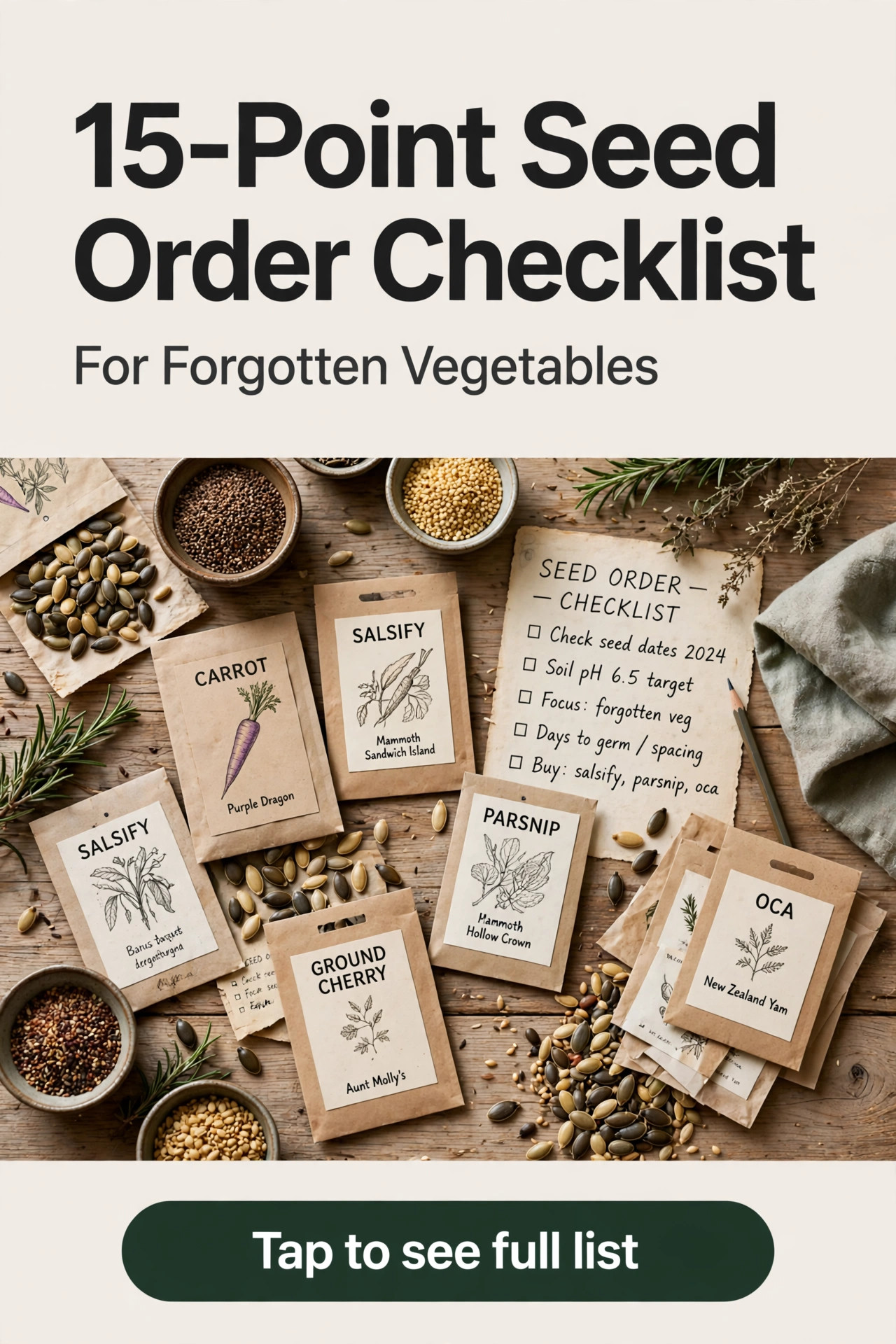
    Ordering seed for forgotten vegetables is exciting, but it is easy to buy too much, too late, or the wrong types for your garden. A short checklist helps you plan beds, choose varieties that suit your climate, and order in time for rare heirlooms to arrive before sowing season. Use this list before you place any order.

    A gardener's seed order checklist with packets of forgotten vegetable seed, a notebook and a garden bed plan on a wooden table
    1. Audit Last Year’s Seed: Check what seed you already have, including packets, jars and saved seed. Test germination for older seed, throw away damp or mouldy packets, and write down what is still usable so you do not buy duplicates.
    2. Check Your Growing Zone and Frost Dates: Note your last spring frost and first autumn frost, plus how long your warm season lasts. This tells you which forgotten vegetables have time to mature, and which need starting indoors or a sheltered spot.
    3. Map Your Beds and Space: Sketch your beds, including sunny and shady areas, containers and perennial beds. Forgotten crops like sunchokes and rhubarb need permanent space, while roots and leafy crops need loose, open soil.
    4. Decide What Your Household Actually Eats: List the vegetables your household enjoys, and order those first. A rare crop is only useful if someone will cook it, so balance curiosity with everyday favourites like kale, leeks, roots and beans.
    5. Order Rare Heirlooms Early: Rare heirloom seed can sell out quickly, especially for old roots, tubers and leafy types. Place orders early in the season, and keep a backup choice in mind in case a variety is unavailable.
    6. Choose Open-Pollinated Seed Where Possible: Open-pollinated seed lets you save seed from your best plants for next year. It also keeps old varieties alive, and it suits gardeners who want a self-reliant, low-cost seed supply over time.
    7. Match Days to Maturity to Your Season: Read the days to maturity on each packet and compare it with your season length. If a crop needs 120 days and your season is 100 days, start it indoors, choose a faster variety, or grow it in a warm spot.
    8. Plan Succession Sowing: Do not sow everything at once. Plan two or three sowings of fast crops like salads, radishes and leafy greens, so harvests are spread out and you avoid a glut followed by an empty bed.
    9. Order Tubers and Starts Separately: Tubers, crowns and sets are often sold separately from seed, and they ship at different times. Order potato tubers, asparagus crowns, rhubarb crowns and onion sets early, and note their delivery windows.
    10. Include Perennial Starts: Add a few perennials to each order, such as rhubarb, sea kale, Good King Henry or herbs. They cost more at first, but they return for years and reduce the amount of seed you need to buy later.
    11. Try Small Packets First: For a new forgotten vegetable, buy a small packet first. Grow a trial row, taste it, and only order more next year if your household likes it and it grows well in your soil.
    12. Check Supplier Details and Reviews: Buy from suppliers who list variety, origin and germination information clearly. Check reviews for delivery speed and seed quality, and keep invoices so you can trace a problem if a variety does not grow true.
    13. Set a Seed Budget: Set a simple budget before browsing catalogues, because it is easy to overspend on interesting varieties. Prioritise staple crops, then add one or two trial varieties within the remaining budget.
    14. Plan Storage and Labelling: Prepare dry, cool storage and labels before seed arrives. Store packets in airtight jars with the variety and year written clearly, and keep a list of what is stored where.
    15. Keep a Backup and a Share List: Keep a small backup of your most important seed, and note which varieties you can share with neighbours or a seed library. Sharing helps keep rare varieties in circulation and builds a useful local network.

    Practical Tips

    Order in one or two batches rather than many small orders, to save on delivery costs and avoid missing items. Keep a garden notebook with sowing dates, germination results and harvest notes for each variety. Sow a little extra seed for crops that germinate slowly, but thin seedlings on time so plants have room. Rotate crops each year, and do not plant the same family in the same bed two years in a row where you can avoid it. Check seed packets on arrival for damage, correct variety and quantity, and contact the supplier quickly if anything is wrong.

    Seed packets for forgotten vegetables with a notebook and garden bed plan

    Conclusion

    A good seed order is a plan, not just a shopping list. With a quick audit, a bed map and a clear budget, you can order forgotten vegetables with confidence, grow them well, and enjoy a garden that is both productive and full of old flavours.

    FAQs

    When should I order forgotten vegetable seed? Order as early as you can in the season, especially for rare heirlooms and tubers. Early ordering gives you the best choice, time for delivery, and room to start seed indoors if needed.

    How much seed should I order for a small garden? For a small garden, small packets are usually enough. Check how many plants each packet gives, allow for germination losses, and remember that many leafy and root crops can be sown in succession from one packet.

    Can I save seed from forgotten vegetables? Yes, for open-pollinated varieties, if you follow basic seed-saving advice for that crop family. Some crops cross-pollinate easily, so keep varieties apart or save seed from only one variety of that family each year.

  • 16 Hardy Forgotten Crops for a Survival Garden Plan

    16 Hardy Forgotten Crops for a Survival Garden Plan

    A survival garden is not about panic planting. It is about choosing crops that are hardy, productive, easy to store and useful in everyday cooking, even when weather is difficult. Forgotten crops fit this plan well, because many were chosen by earlier gardeners for exactly those qualities: toughness, reliability and good keeping.

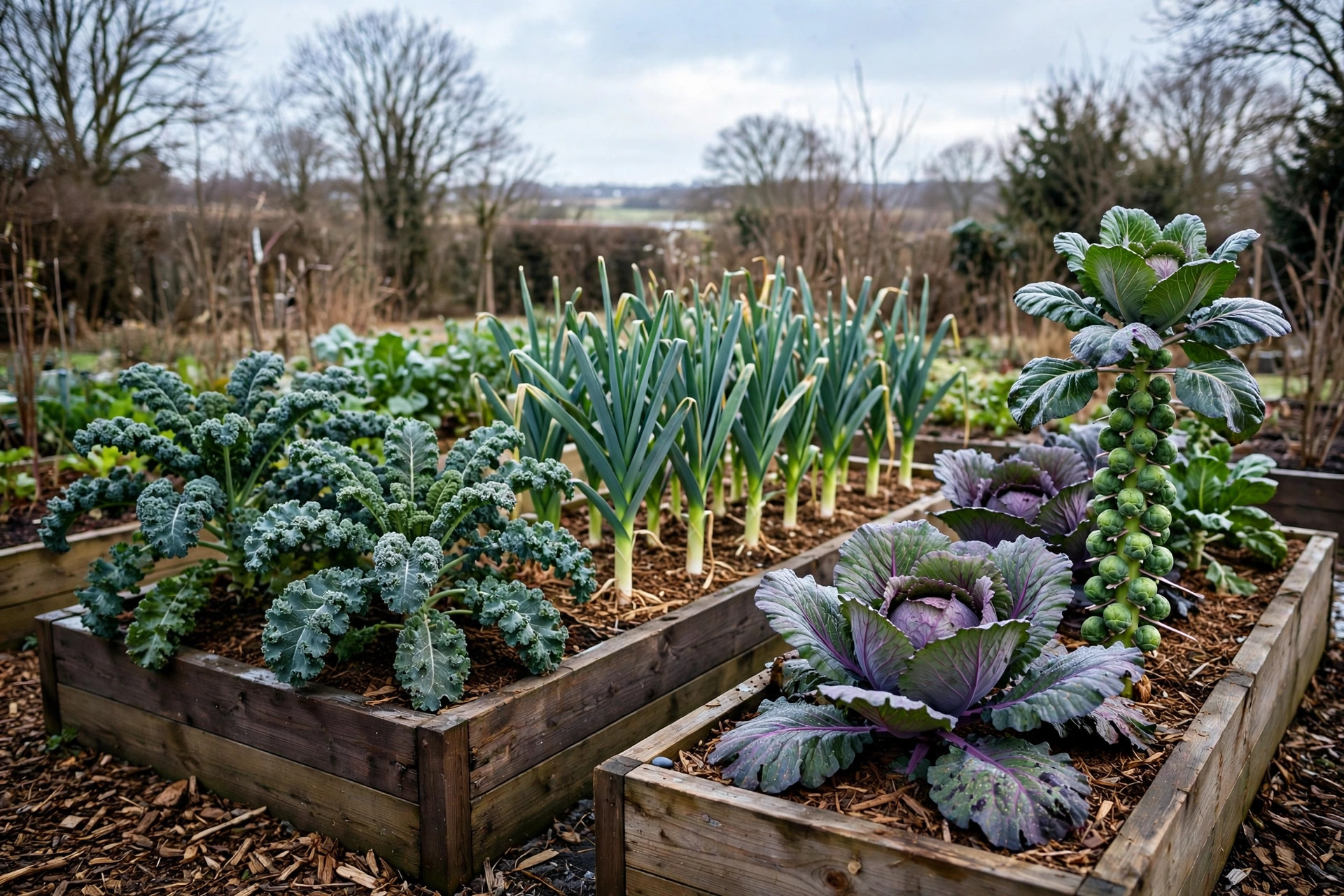
    A hardy winter survival garden with kale, leeks, cabbages and root crops growing in raised beds under a cold sky
    1. Siberian Kale: Siberian kale is one of the hardiest leafy crops, tolerating cold and light frost while still producing tender leaves. Pick outer leaves regularly, cook them like other kale, and let plants overwinter for an early spring harvest.
    2. Leeks: Leeks are slow, steady and very cold tolerant, and they can stay in the ground through winter in many climates. Use them for soups, stews and bakes, and earth them up as they grow for long, pale stems.
    3. January King Cabbage: January King cabbage is a beautiful purple-tinged cabbage that stands well through winter. Harvest heads as needed, use them for slaw, soups and braised dishes, and leave outer leaves to protect the head.
    4. Brussels Sprouts: Brussels sprouts improve after frost, becoming sweeter and more tender. Pick sprouts from the bottom of the stem upwards, roast them until crisp, or shred them for salads and stir-fries.
    5. Perpetual Spinach: Perpetual spinach, a hardy chard type, gives leaves for most of the year with little fuss. It is a good survival crop because it keeps producing after other greens have finished, and it cooks quickly.
    6. Winter Spinach: Winter spinach varieties are bred to grow slowly through cold months. Sow them in late summer or autumn, pick small leaves in winter, and protect them with a simple cover in hard frost.
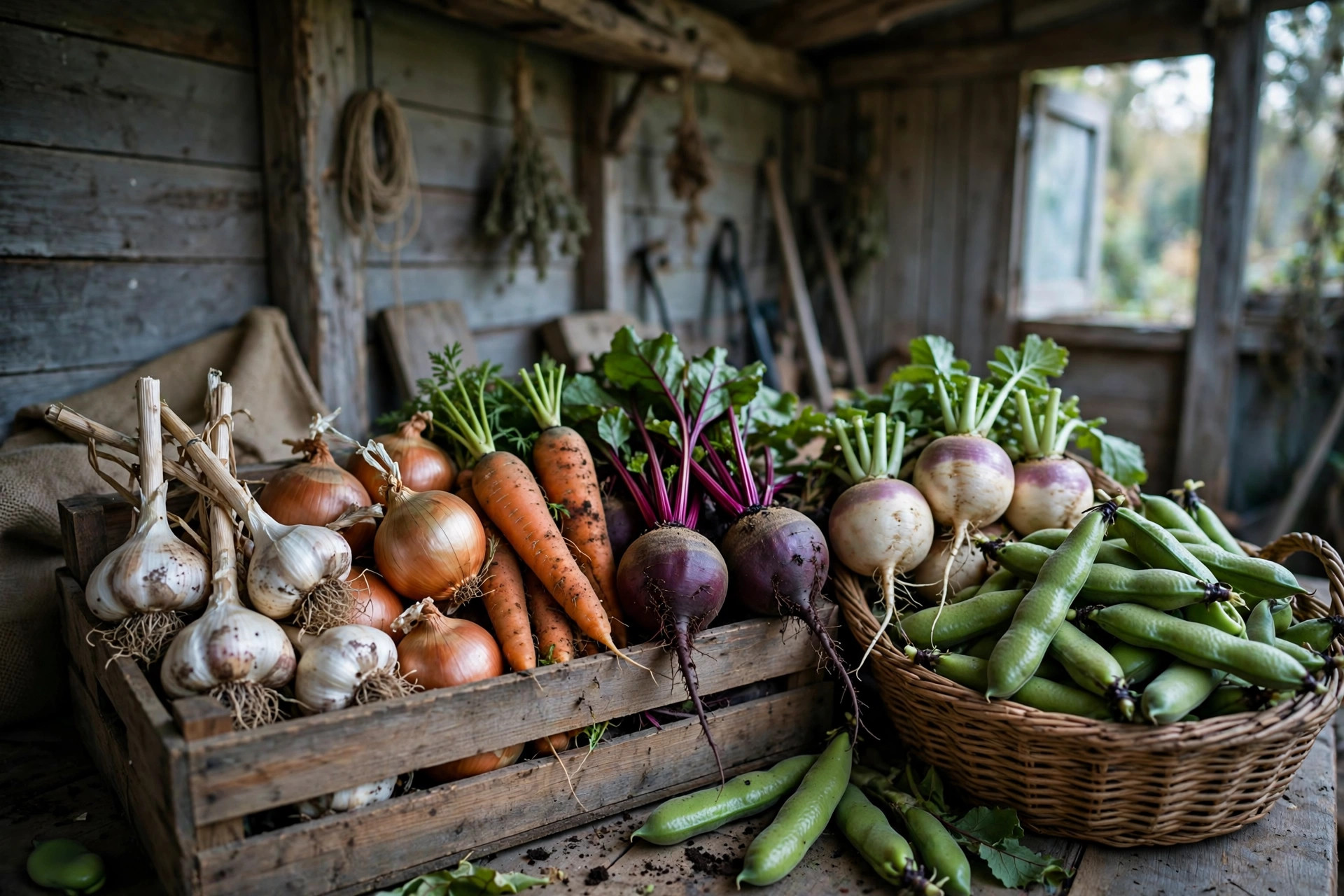
    7. Garlic: Garlic is planted in autumn, needs little attention, and stores for months after harvest. Plant cloves pointy end up, harvest when leaves yellow, and cure bulbs in a dry, airy place before braiding or storing.
    8. Onion Sets: Onion sets are small bulbs that grow into full onions with less work than seed. Plant them in spring or autumn, depending on type, harvest when tops fall, and dry them well for long storage.
    9. Broad Beans: Broad beans, or fava beans, are a hardy, protein-rich crop that fixes nitrogen in the soil. Sow them in autumn or early spring, pick young pods whole or shell older beans, and use them in stews, salads and dips.
    10. Winter Peas: Winter peas are tough, fast-growing legumes that give fresh pods and shoots in cool weather. Support them with twigs or netting, pick pods young for sweetness, and use the shoots in salads.
    11. Carrots for Storage: Storage carrots, especially heirloom types, keep well in the ground or in sand through winter. Sow them in loose soil, thin them carefully, and lift only what you need for each meal.
    12. Beetroots for Storage: Beetroots store well and give both roots and leaves for cooking. Lift roots before hard frost in cold areas, twist off leaves, and store roots in a cool box with damp sand or sawdust.
    13. Turnips for Storage: Turnips are fast, hardy and useful both fresh and stored. Sow them in late summer for autumn and winter use, and use small turnips fresh while larger ones go into soups and mashes.
    14. Sunchokes as a Perennial: Sunchokes return each year and need almost no care once established, which makes them a strong survival crop. Contain them in a bordered bed, harvest through winter, and roast or mash them for filling meals.
    15. Rhubarb as a Perennial: Rhubarb is a long-lived perennial that needs little yearly work once planted. Harvest stems in spring, use them for desserts and chutneys, and leave the plant alone in summer so it builds strength for next year.
    16. Perennial Herbs: Perennial herbs like oregano, thyme and sage survive winter in many gardens and add flavour when fresh vegetables are scarce. Plant them near the kitchen, snip as needed, and dry extras for winter cooking.

    Practical Tips

    Grow a mix of annuals and perennials, so a bad season for one crop does not leave you with nothing. Store crops in more than one way: in the ground, in cool storage, dried, pickled and frozen. Keep seed, tools and a simple garden notebook together, so you can repeat what worked next year. Water deeply and mulch well, because steady moisture helps hardy crops survive dry spells. Save seed from open-pollinated varieties where you can, and label everything with variety and date.

    Hardy survival garden crops, including kale, leeks, cabbages and root crops in raised beds

    Conclusion

    A hardy survival garden is built slowly, one reliable crop at a time. Choose crops that suit your climate, learn how to store them, and cook with them regularly, so the garden becomes a normal part of your food, not just an emergency plan.

    FAQs

    What makes a crop good for a survival garden? A good survival crop is hardy, productive, easy to store and useful in many meals. Perennials, root crops and legumes score well, because they give food over a long period or store for months.

    Should I grow only forgotten crops? No. Mix forgotten crops with reliable modern varieties you already like. That way you get the toughness and flavour of old crops, plus the yield and disease resistance of newer ones.

    How much space does a survival garden need? You can start small. Even a few raised beds with kale, leeks, beans, roots and herbs can give useful food. Add more beds as you learn which crops your household actually eats.

  • 15 Forgotten Tubers for Home Gardens: Sunchokes, Skirret and More

    15 Forgotten Tubers for Home Gardens: Sunchokes, Skirret and More

    Tubers are the quiet work horses of a garden. They store energy underground, survive cold spells and turn into filling, comforting food with very little fuss. Beyond the common potato, a whole group of forgotten tubers offers nutty, sweet and earthy flavours, and many of them are perennials that return year after year.

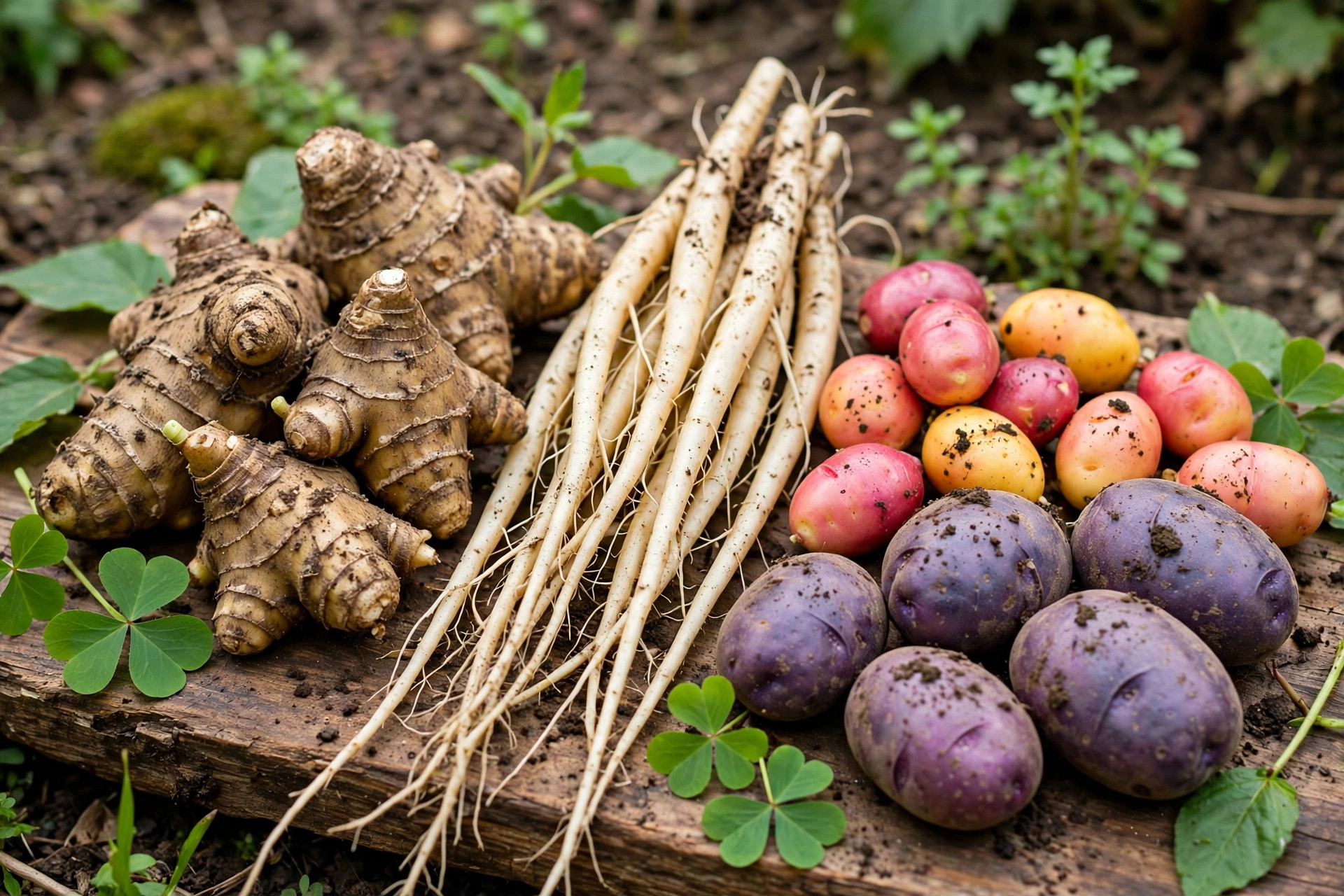
    A wooden board of forgotten tubers, including sunchokes, skirret, oca and purple potatoes, freshly harvested from a home garden
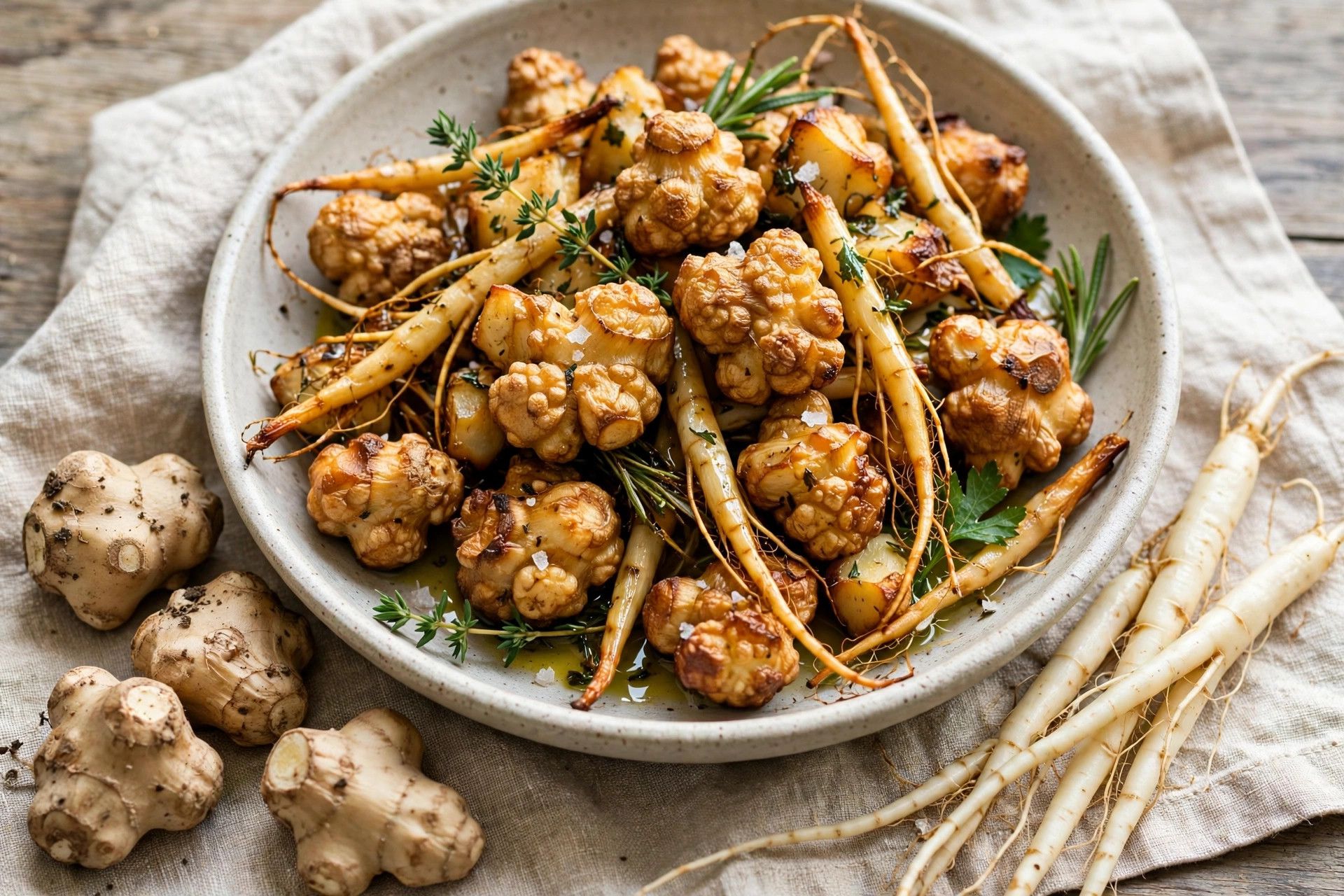
    1. Sunchokes: Sunchokes, also called Jerusalem artichokes, are knobbly tubers with a sweet, nutty taste. Roast them until crisp at the edges, mash them with potatoes, or slice them thin for salads, and plant them in a contained bed because they spread.
    2. Skirret: Skirret produces clusters of sweet, carrot-like roots that were once a favourite garden vegetable. Lift them in autumn or winter, scrub them well, and boil or roast them until tender for a gentle, sweet side dish.
    3. Yacon: Yacon is a tall plant from South America whose crisp tubers taste fresh and lightly sweet, a little like apple and pear. Eat them raw in salads, add them to slaw, or roast them briefly so they keep some crunch.
    4. Oca: Oca forms small, colourful tubers in red, yellow and pink, with a tangy, lemon-like note when fresh. Leave harvested tubers in sunlight for a few days to sweeten them, then roast, boil or add them to soups.
    5. Ulluco: Ulluco is a small Andean tuber with a smooth texture and a mild, earthy flavour. It holds its shape well in cooking, so it is good in stews, stir-fries and simple boiled dishes with herbs and oil.
    6. Mashua: Mashua is another Andean tuber, often brightly coloured, with a peppery edge when raw that softens on cooking. Roast or boil it until tender, and pair it with milder vegetables so its flavour does not dominate.
    7. Crosne: Crosne, or Chinese artichoke, makes small, ridged tubers that are crisp and nutty. Scrub them well, use them raw in salads, or saute them quickly with butter and herbs for a crunchy side.
    8. Apios Groundnut: Apios, or American groundnut, is a climbing perennial that makes small, protein-rich tubers. Harvest a few at a time, boil or roast them like small potatoes, and give the vine a trellis to climb.
    9. Tiger Nuts: Tiger nuts, or chufa, are small, sweet tubers that can be eaten raw, roasted or soaked and blended into a plant-based drink. They grow well in warm soil and containers, and they store well once dried.
    10. Fingerling Potatoes: Fingerling potatoes are small, narrow heirloom potatoes with firm flesh and thin skin. Roast them whole with oil and herbs, boil them for salads, or crush them lightly for a crisp side dish.
    11. Purple Potatoes: Purple potatoes keep their colour after cooking and have a rich, earthy flavour. Use them for mash, roasts and salads to add colour, and pair them with green herbs and a light dressing.
    12. Sweet Potatoes: Sweet potatoes are warm-climate tubers that reward a long, sunny season. Grow them from slips in rich soil, cure them after harvest for sweetness, and roast, mash or bake them for filling vegetarian meals.
    13. Taro: Taro is a starchy tuber that must always be cooked thoroughly before eating. Grow it in warm, moist soil or large containers, then boil, steam or roast it for a smooth, hearty base for curries and stews.
    14. Arrowroot: Arrowroot makes slender, starchy tubers that were once used for thickening and simple puddings. Grow it in warm conditions, harvest carefully, and use the cooked root in soups or as a thickener for sauces.
    15. Water Chestnuts: Water chestnuts are crisp, aquatic tubers that stay crunchy even after cooking. Grow them in containers of water and soil in a warm spot, peel them before use, and add them to stir-fries for crunch.

    Practical Tips

    Plant spreading tubers like sunchokes in containers or a bordered bed to stop them taking over. Harvest tubers on a dry day, brush off soil, and cure them in a cool, airy place before long storage. Always cook taro thoroughly, and check growing advice for any tuber you have not grown before. Label each tuber bed clearly, because many forgotten tubers look similar underground. Save a few small tubers from your best plants to replant next season, and share extras with other gardeners.

    Freshly harvested forgotten tubers, including sunchokes, skirret, oca and purple potatoes

    Conclusion

    Forgotten tubers open up new textures and flavours without needing a large garden or special equipment. Start with one or two types that suit your climate, learn how they like to be cooked, and let them become a regular part of your seasonal cooking.

    FAQs

    Are sunchokes and skirret easy to grow? Yes, both are vigorous and forgiving in ordinary garden soil. Sunchokes spread quickly, so contain them, while skirret needs a longer season and loose soil for straight, sweet roots.

    Do forgotten tubers need special cooking? Most do not. Roasting, boiling and mashing work for almost all of them. The main exception is taro, which must be cooked fully, and raw tubers like yacon and crosne, which are also good fresh.

    Which tubers store best? Potatoes, sweet potatoes, tiger nuts and sunchokes generally store well in cool, dry conditions. Oca and yacon are best used within a few weeks, or kept cool and checked regularly.

  • 16 Forgotten Leafy and Stalk Vegetables Worth Rediscovering

    16 Forgotten Leafy and Stalk Vegetables Worth Rediscovering

    Leafy and stalk vegetables are easy to overlook, yet many old varieties were once everyday garden food. They offer fresh flavours in spring, steady picking through summer and useful leaves and stems when other crops are finished. This guide introduces sixteen leafy and stalk vegetables worth a second look, with practical notes on growing and cooking them.

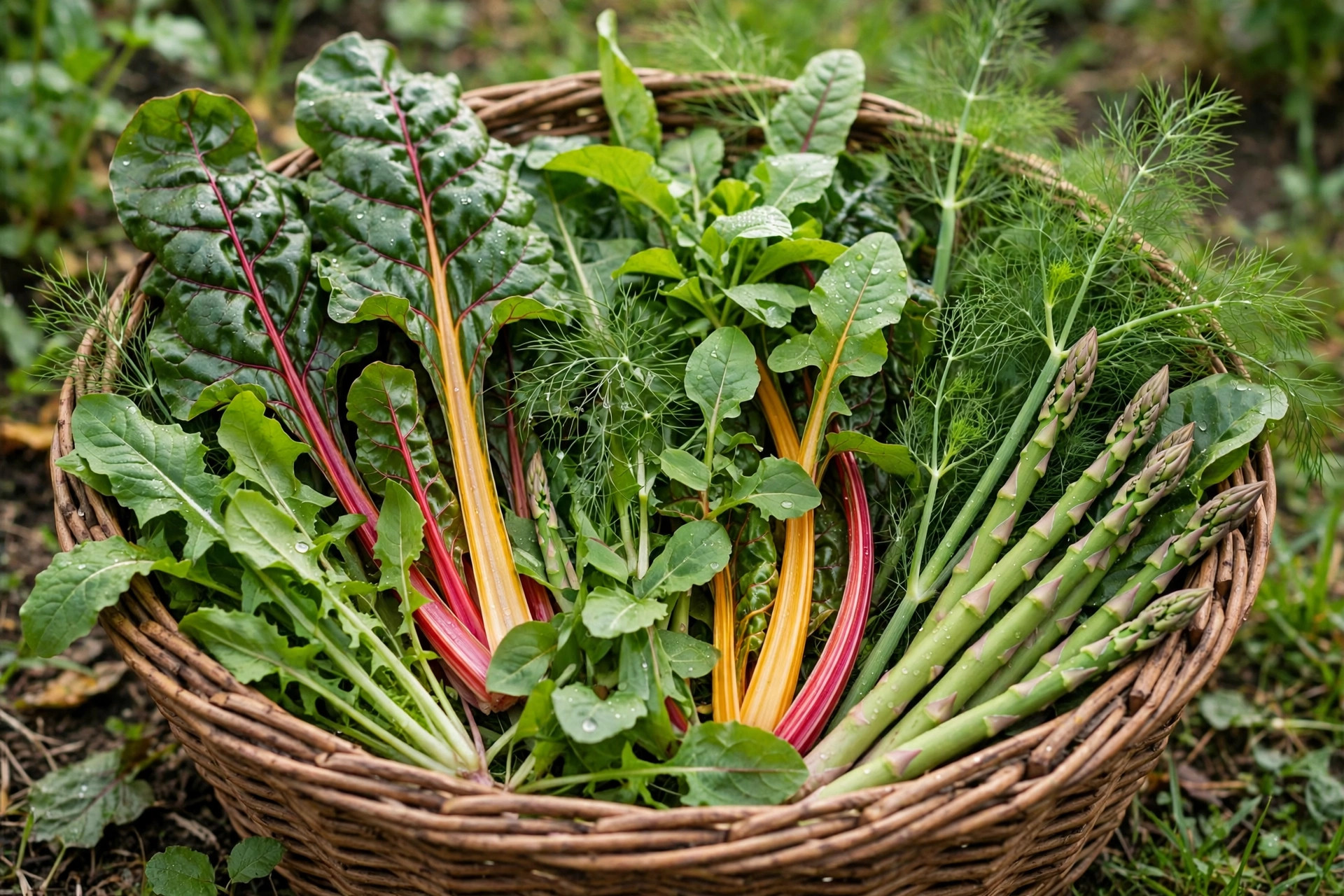
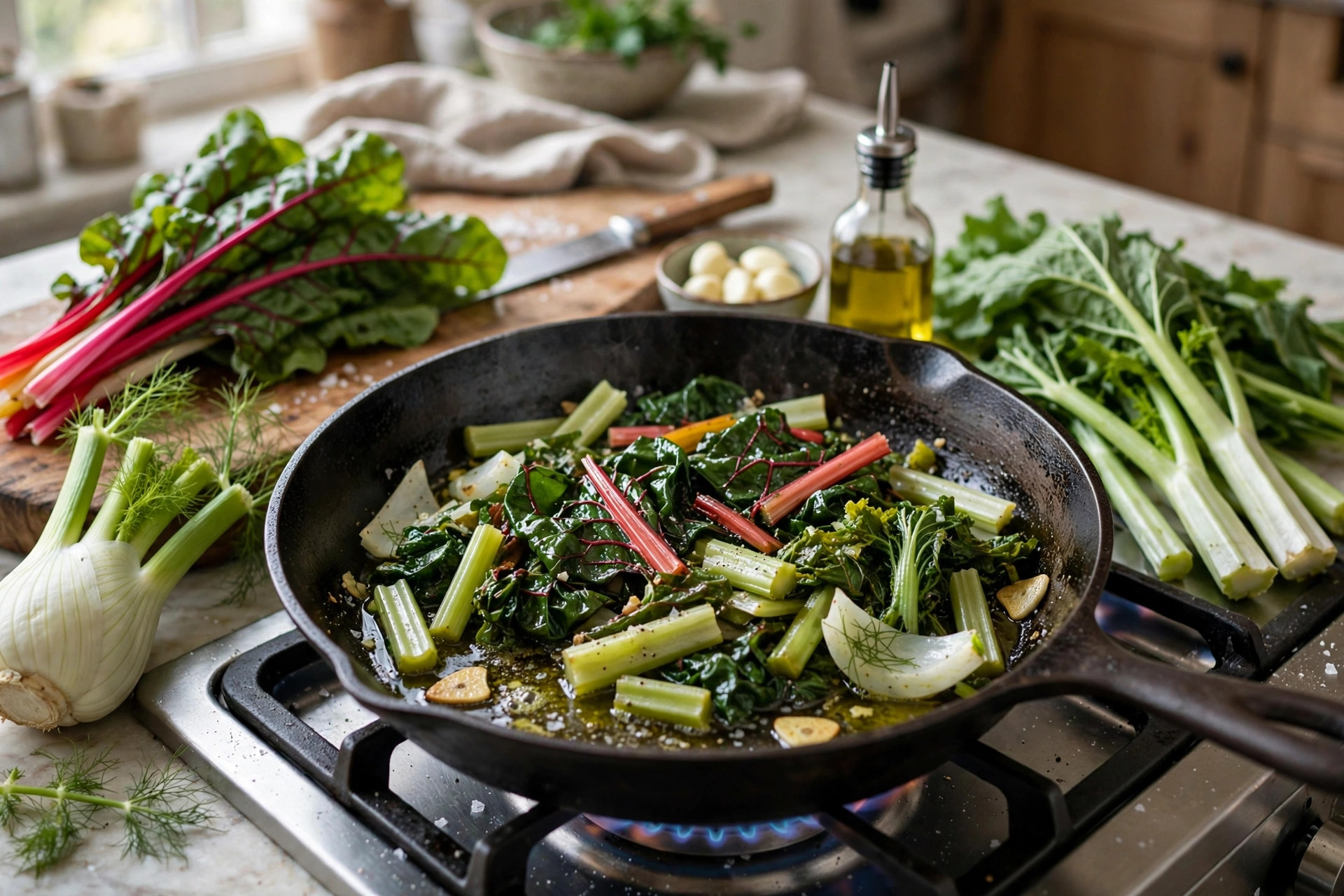
    A garden basket filled with forgotten leafy greens and stalks, including chard, sorrel, fennel and asparagus, freshly picked
    1. Swiss Chard: Swiss chard gives bright stems and tender leaves for months, and it tolerates both heat and light frost. Use the leaves like spinach and the stems like celery, in pasta, soups, gratins and simple sautes.
    2. Good King Henry: Good King Henry is a perennial leafy plant whose young shoots and leaves taste mildly like spinach. Once established, it returns each year with little work, making it a useful low-effort green for a permanent garden bed.
    3. Orach: Orach, sometimes called mountain spinach, grows tall with leaves in green, red or purple. Pick young leaves for salads, cook older leaves like spinach, and let a few plants seed themselves for next season.
    4. Sorrel: Sorrel has a clean, lemony tang that lifts soups, sauces and egg dishes. It grows early in spring, needs little care, and is best picked young, when the leaves are tender and the flavour is fresh rather than sharp.
    5. Lovage: Lovage is a tall perennial with celery-like leaves and stems. Use a small amount in stocks, potato dishes and salads, because its flavour is strong, and cut it back in summer to encourage fresh growth.
    6. Cardoon: Cardoon looks like a large artichoke plant, but its pale, blanched stems are the prize. Boil or braise the stems until tender, then finish them with cheese sauce, breadcrumbs or a simple lemon dressing.
    7. Cutting Celery: Cutting celery, or leaf celery, is grown for its leaves rather than thick stalks. Snip leaves as needed for soups, salads and garnish, and it will keep producing through the season without the work of blanching.
    8. Perpetual Spinach: Perpetual spinach is a type of chard that behaves like spinach in the kitchen. It is hardy, productive and less likely to bolt than true spinach, so it is a good choice for steady, small harvests.
    9. Sea Kale: Sea kale is a coastal perennial with tender blanched shoots in spring and useful leaves later. Give it space and good drainage, harvest shoots young, and treat older leaves like cabbage or kale.
    10. Asparagus: Asparagus is a long-lived stalk vegetable that rewards patience. Plant crowns in a permanent bed, wait a season or two before heavy picking, and enjoy fresh spears steamed, roasted or folded into spring dishes.
    11. Rhubarb: Rhubarb is a sturdy perennial whose tart stems are used for desserts, chutneys and savoury sauces. Use only the stems, never the leaves, and pair the stems with sweet fruit, ginger or a little orange zest.
    12. Fennel: Fennel gives a feathery leaf and a crisp bulb with a gentle anise flavour. Use the bulb raw in salads, roast it until sweet, and save the fronds for garnish, dressings and fish-free vegetable dishes.
    13. Heirloom Mustard Greens: Heirloom mustard greens range from mild to peppery, with frilled or flat leaves. Pick young leaves for salads, cook larger leaves with garlic and oil, and sow little and often for a steady supply.
    14. Dandelion Greens: Dandelion greens are bitter in a useful way, especially when picked young from unsprayed ground. Blanch them to soften the bite, then dress them with olive oil, lemon and garlic, or wilt them into beans and grains.
    15. Lamb’s Lettuce: Lamb’s lettuce, also called corn salad, forms soft rosettes that are perfect for cold weather. Sow it in autumn for winter salads, pick whole rosettes, and dress it lightly so its nutty flavour comes through.
    16. Endive: Endive has slightly bitter, crisp leaves that hold dressing well. Use it in winter salads with citrus, walnuts or cheese, or braise the heads gently until tender for a warmer side dish.

    Practical Tips

    Pick leaves in the morning when they are crisp, and use them the same day for the best flavour. Cut, do not pull, perennial leaves and stalks, so the plant can regrow. Blanch bitter greens briefly if you want a milder taste, and keep the cooking water for soup stock. Sow leafy crops in small batches every few weeks to avoid a glut followed by nothing. Keep unsprayed wild greens separate from garden greens, and only pick plants you can identify with confidence.

    Freshly picked forgotten leafy greens and stalks, including chard, sorrel, fennel and asparagus

    Conclusion

    Forgotten leafy and stalk vegetables add freshness and variety without demanding a large garden. Start with a few perennials and a few fast annuals, learn which flavours your household likes, and let these old greens earn a regular place in your cooking.

    FAQs

    Which forgotten leafy vegetables are easiest for beginners? Swiss chard, perpetual spinach, orach and lamb’s lettuce are forgiving and productive. They grow in ordinary soil, need regular water, and give repeated pickings with little special care.

    Are perennial leafy vegetables worth the space? Yes, if you have a permanent bed. Plants like Good King Henry, lovage, sea kale and rhubarb return each year, reduce yearly sowing, and give early harvests when annual crops are still small.

    How do I tame bitter flavours in old greens? Pick young leaves, blanch briefly, and pair bitter greens with fat, acid and salt, such as olive oil, lemon and a pinch of salt, or cook them with beans, garlic and cheese.

  • 15 Heirloom Root Vegetables for Winter Cooking and Gardening

    15 Heirloom Root Vegetables for Winter Cooking and Gardening

    Winter cooking does not have to mean the same few supermarket roots on repeat. Heirloom root vegetables bring deeper flavour, different colours and a useful lesson in old garden wisdom: many of them store well, sweeten after a frost and turn simple soups, roasts and mashes into something special. This guide looks at fifteen roots worth trying, how to grow or buy them, and how to use them in everyday vegetarian meals.

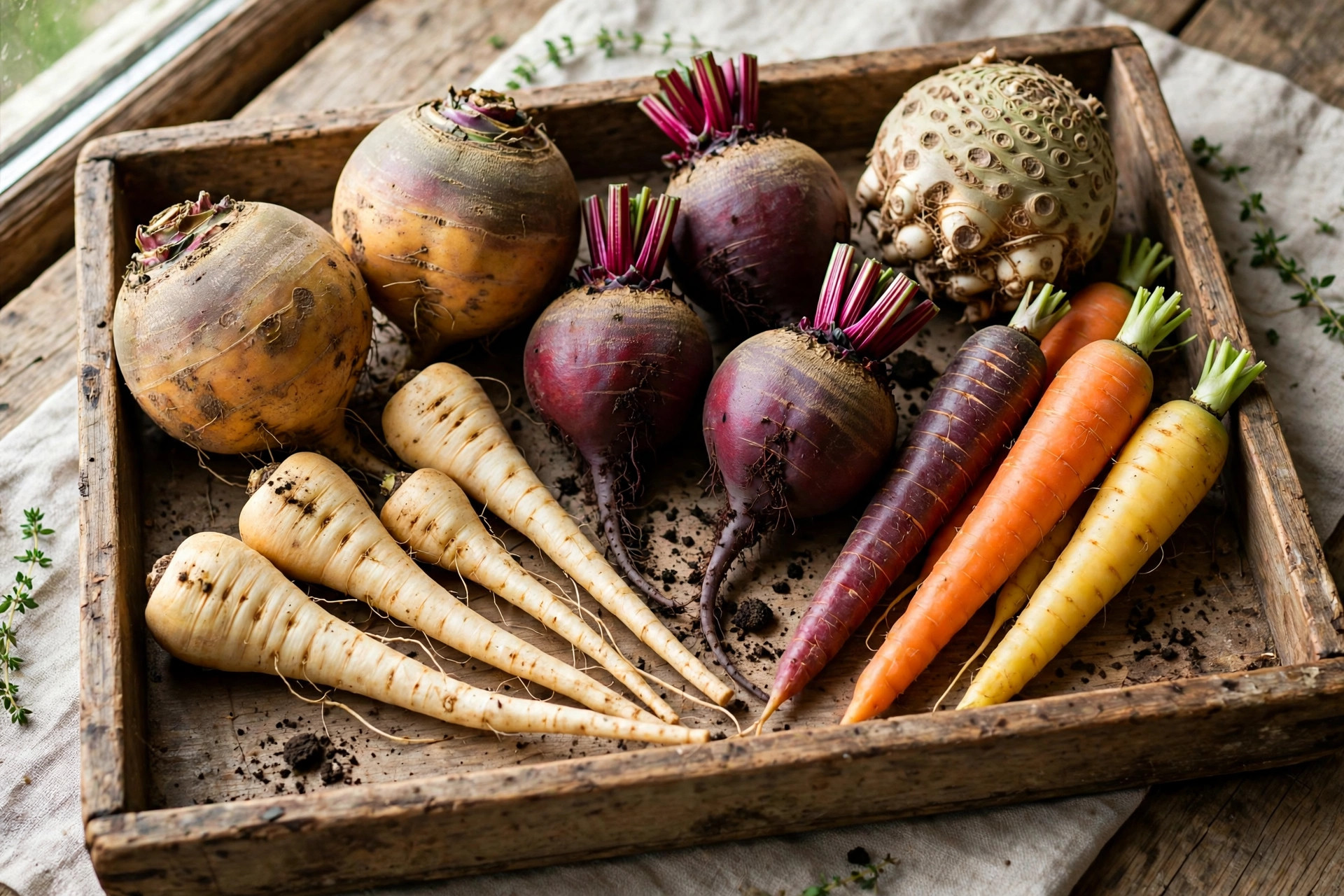
    A rustic tray of colourful heirloom root vegetables, including rutabaga, parsnips, beetroots and carrots, ready for winter cooking
    1. Rutabaga: Rutabaga is a firm, golden-fleshed root with a mild, slightly sweet taste that sits between turnip and cabbage. It roasts beautifully, mashes well with butter and black pepper, and holds up in stews without falling apart.
    2. Mangelwurzel: Mangelwurzel is a large, old fodder beet relative that was once grown for both kitchen and farm use. Its flesh is mild and earthy, and it works best grated into root bakes, soups or pickles where its size is an advantage rather than a problem.
    3. Salsify: Salsify is a long, pale root often called the oyster plant because its cooked flavour is gently savoury and delicate. Peel it under water to avoid staining, then simmer, roast or fold it into a creamy sauce with herbs.
    4. Scorzonera: Scorzonera, also called black salsify, has dark skin and pale flesh with a soft, nutty taste. It is slow to grow but rewarding, and it is excellent boiled, buttered and finished with lemon, parsley and a little nutmeg.
    5. Celeriac: Celeriac, or celery root, is knobbly on the outside and creamy inside, with a clean celery flavour. Mash it with potatoes, grate it raw into a remoulade, or roast it in thick slices for a satisfying main-course vegetable.
    6. Parsnip: Parsnip sweetens after cold weather and is one of the most reliable winter roots. Roast it with olive oil and honey-free glaze, add it to root soup, or shave it thin for crisps that keep their flavour.
    7. Turnip: Turnip is lighter and peppery when young, and deeper and sweeter when left to grow larger. Use small turnips raw in salads, and larger ones in mash, curry-style stews or roasted with carrots and thyme.
    8. Burdock Root: Burdock root is long, slim and earthy, and it is prized in many vegetable stir-fries and broths. Scrub it well rather than peeling away too much, cut it on the diagonal, and cook it until tender but still firm.
    9. Black Winter Radish: Black winter radish has rough dark skin and crisp white flesh with a clear, peppery bite. Grate it into slaw, slice it thin for sandwiches, or roast it to soften the heat and bring out a mellow sweetness.
    10. Daikon Radish: Daikon is a large, mild white radish that stays crisp in salads and soaks up flavour in soups. It is useful for winter pickles, quick kimchi-style sides and light broths where you want freshness without sharpness.
    11. Horseradish: Horseradish is a strong, pungent root best used in small amounts. Grate a little fresh root into cream, yoghurt or beetroot salads for heat, and keep the plant contained in the garden because it spreads eagerly.
    12. Hamburg Parsley Root: Hamburg parsley root looks like a pale parsnip but tastes like parsley, which makes it a clever soup vegetable. Add it to stock, mash or root gratin for a herbal depth that plain roots cannot give on their own.
    13. Heirloom Beetroot: Heirloom beetroots come in deep red, golden and striped types, each with its own sweetness and colour. Roast them whole in foil, slice them for salads, or pickle them to keep winter meals bright and varied.
    14. Heirloom Carrots: Heirloom carrots in purple, white, yellow and red are not just pretty. They offer slightly different sweetness levels, stay crisp when roasted, and make a colourful base for soups, glazes and simple side dishes.
    15. Kohlrabi: Kohlrabi is a swollen stem that cooks like a root, with a mild taste between cabbage and turnip. Peel it, cut it into wedges, roast it with oil and salt, or grate it raw into a crunchy winter slaw.

    Practical Tips

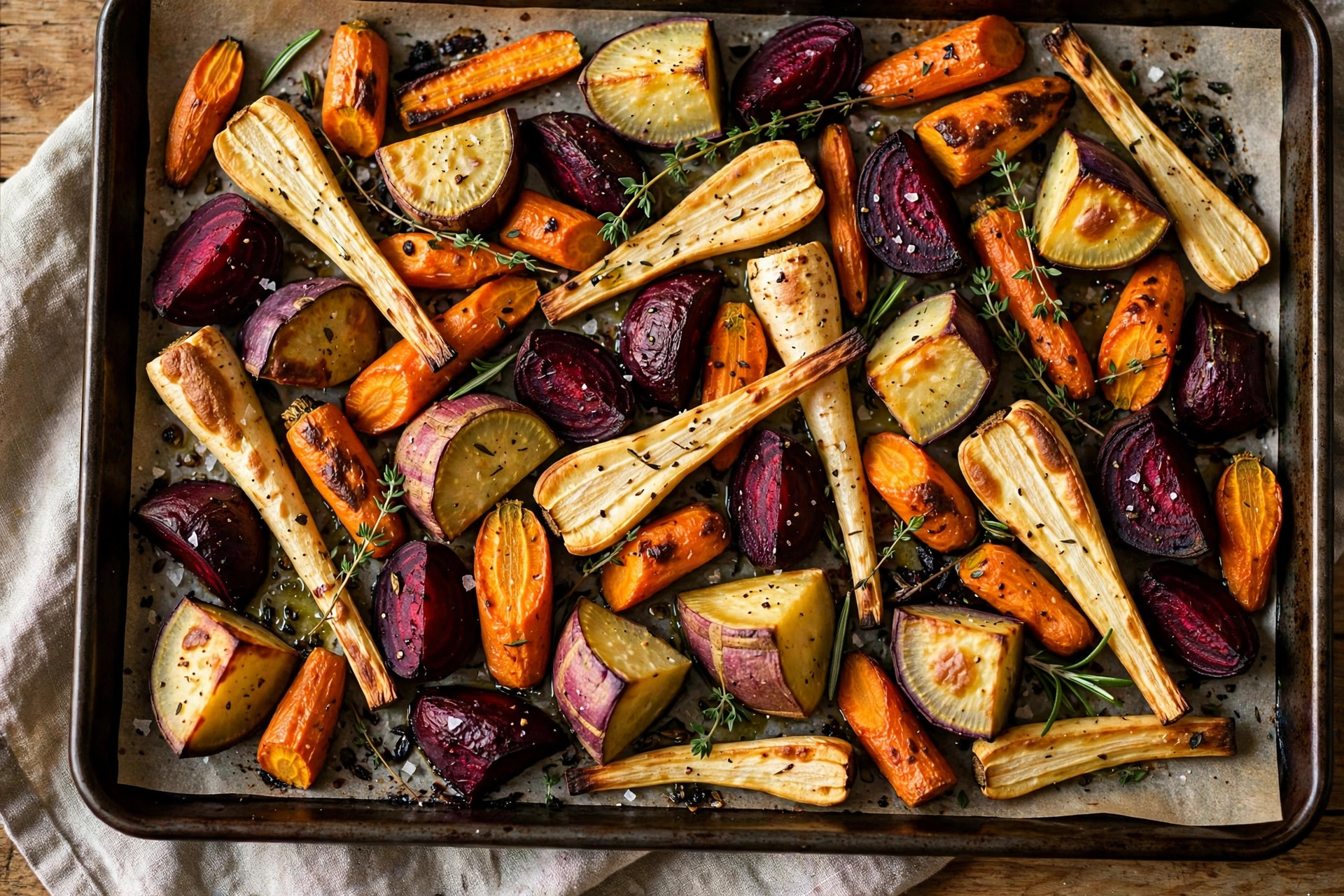
    Store most roots in a cool, dark place in sand, sawdust or a paper bag, and check them weekly for soft spots. Do not wash roots until you use them, because damp storage shortens their life. Sweeten flavour by roasting at a high heat with a little oil and salt, rather than boiling everything soft. Save peelings and trimmings for stock, but compost any roots that have gone soft or mouldy. In the garden, sow roots in loose, stone-free soil and thin seedlings early so roots can swell evenly.

    Heirloom root vegetables for winter cooking, stored and ready to roast

    Conclusion

    Heirloom roots reward a slower, more seasonal way of cooking. Start with one or two new roots, learn how each one likes to be cooked, and build a small winter rotation you actually enjoy. Over time, these old varieties can make cold-weather meals more varied, more colourful and more satisfying.

    FAQs

    Are heirloom root vegetables harder to grow than modern ones? Not usually. Many heirlooms need the same basics as modern roots: loose soil, steady watering and room to grow. Some are slower, so check days to maturity on the packet and sow a little earlier.

    Which heirloom roots store best through winter? Rutabaga, turnip, black radish, celeriac, parsnip and beetroot generally store well in cool conditions. Salsify and scorzonera are best used soon after lifting, or left in the ground and harvested as needed in mild weather.

    Can I use heirloom roots in everyday vegetarian meals? Yes. Most of them work in soups, roasts, mashes, salads and bakes, and they pair well with beans, lentils, cheese, herbs and whole grains for filling meat-free meals.